
Designing Keybindings for Windows Applications

Designing Keybindings for Windows Applications
Key Takeaways
- Easily assign keyboard shortcuts to desktop, Start menu, and Taskbar items for improved productivity.
- Use the latest version of Microsoft PowerToys to set up keyboard shortcuts for programs.
- Tweak how and when to deploy keyboard shortcuts by leveraging the strength and depth of PowerToys.
Did you know that you can set a keyboard shortcut for just about any program in Windows? When you want to open a specific program in a hurry, all you need to do is quickly press a few keys and you’re in. Here’s how.
1. How to Assign a Keyboard Shortcut to a Shortcut Link on Your Desktop
One of the best ways to improve your productivity is to navigate using as few clicks and keystrokes as possible. One way to do that is by setting up keyboard shortcuts. If you’re interested, check out our ultimate guide to Windows keyboard shortcuts .
Once you’ve settled on the programs you want to assign a keyboard shortcut to, do the following:
- Right-click on the program shortcut and select Properties.
- Under the Shortcut tab, in the Shortcut key field, simply type the shortcut you want to assign to the program and click the OK button.
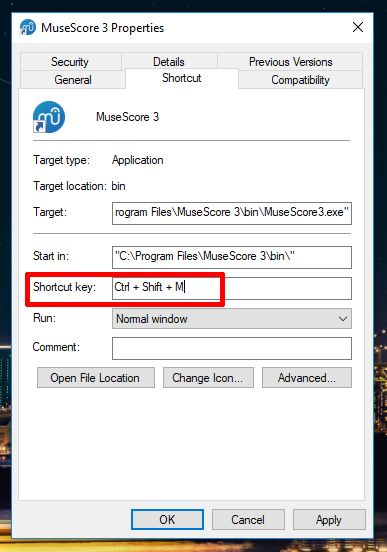
Windows shortcuts must take the form:
- Ctrl + Alt + [key]
- Ctrl + Shift + [key]
- Ctrl + Shift + Alt + [key]
Now, when you press the shortcut key combination, the program will be launched.
2. How to Assign a Keyboard Shortcut to a Shortcut Link in the Start Menu
The process is pretty much the same here, with a few extra steps. Here’s how:
- Open the Start menu.
- Find the item to which you want to assign a keyboard shortcut.
- Right-click it and go to More > Open file location.

- Right-click on the shortcut and select Properties.
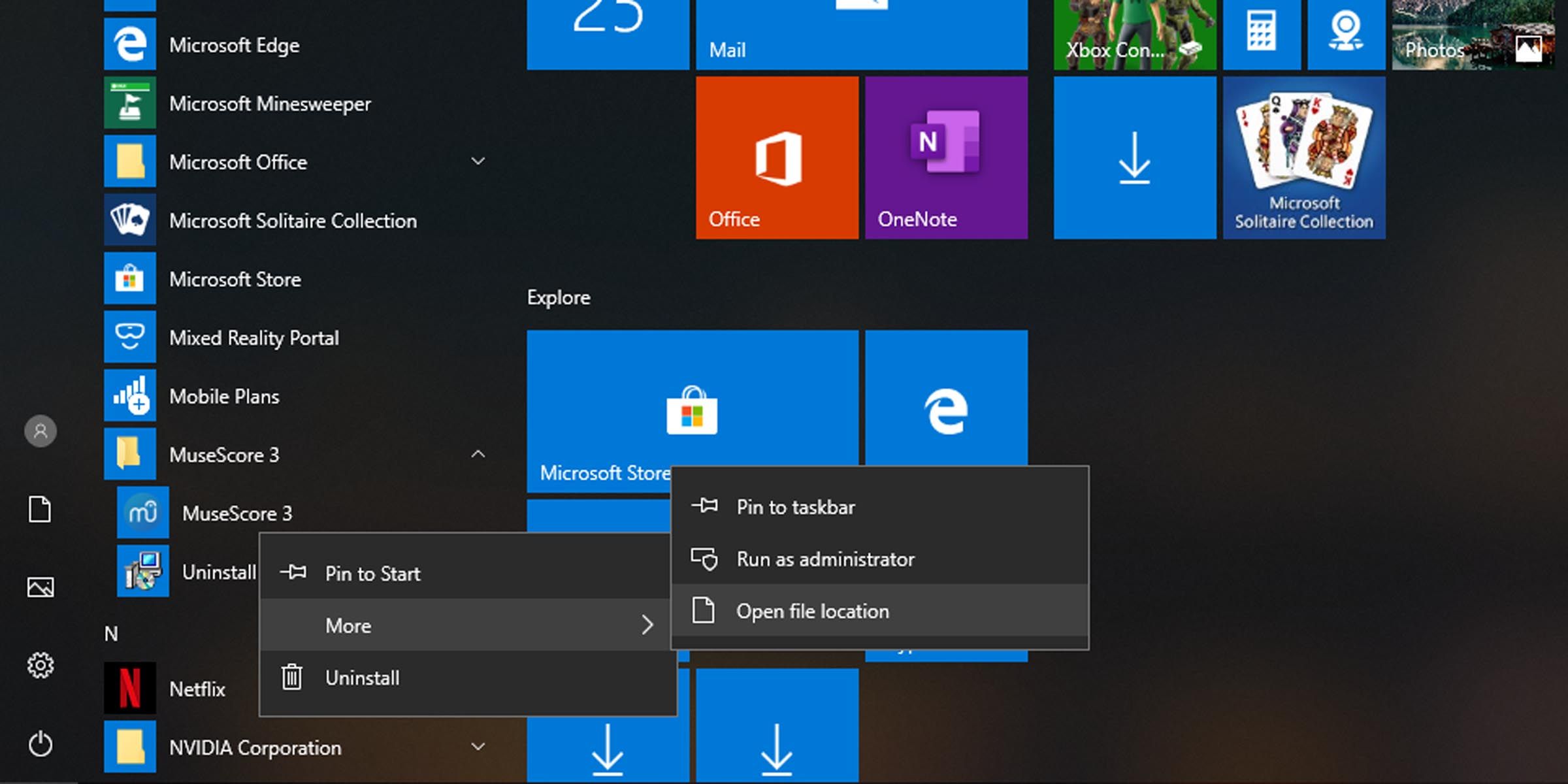
- In the Shortcut key field, type in the keyboard shortcut you want to have assigned to the program.
3. How to Set up a Keyboard Shortcut for a Shortcut Link on the Taskbar
Creating a keyboard shortcut for an item on your taskbar is easy. Here’s how to do it:
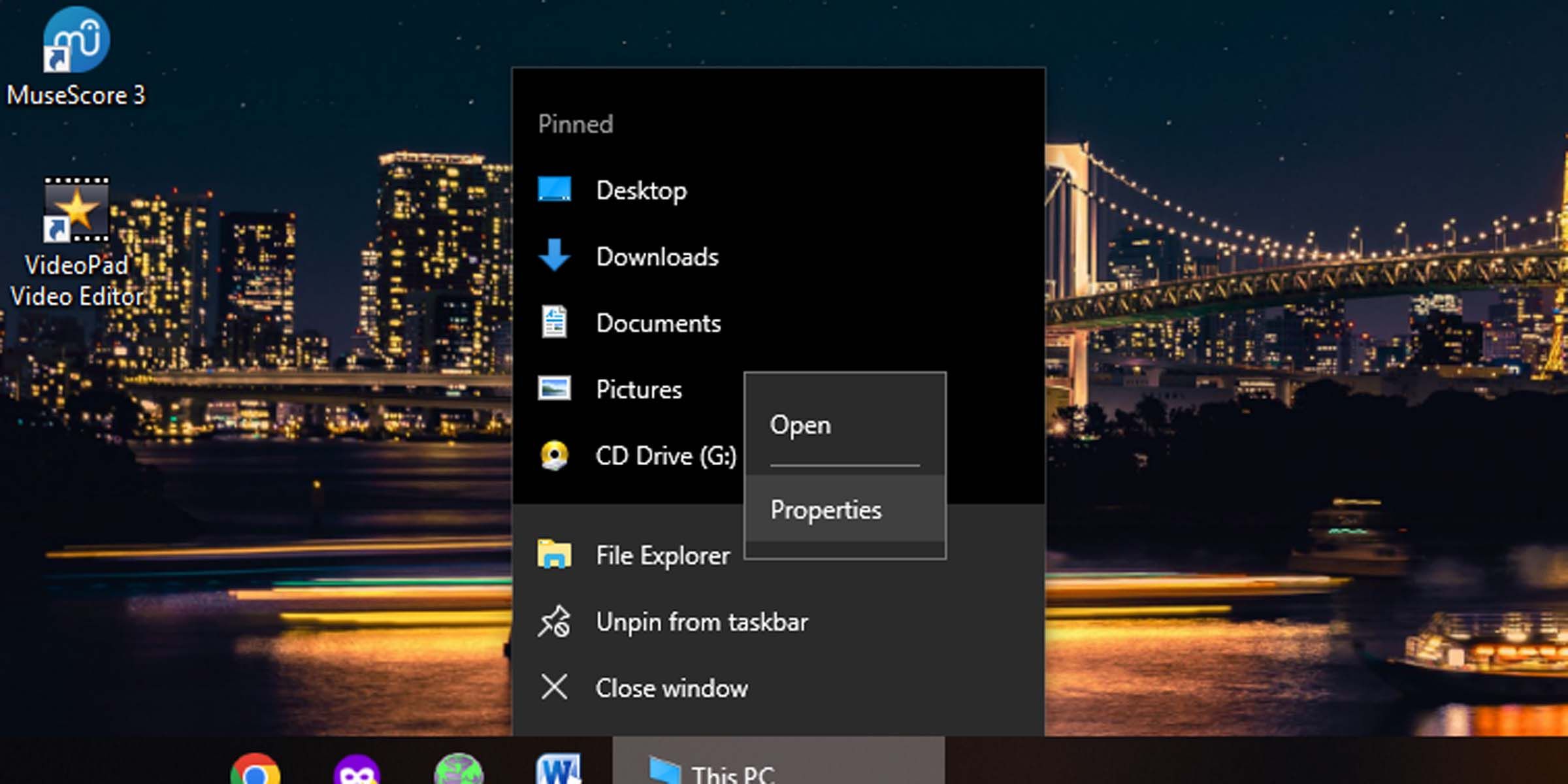
- Right-click on an item appearing on the Taskbar.
- Right-click on the program and click on Properties.
- Add a keyboard shortcut to the Shortcut key field.
4. How to Remove Previously Assigned Keyboard Shortcuts
To remove a keyboard shortcut, navigate to the program shortcut’s properties and delete the entry in the Shortcut key field. This should reset it to None and remove the associated keyboard shortcut.
5. How to Add a Keyboard Shortcut to Literally Any Program in Windows, Using Microsoft PowerToys
There are so many things you can do with PowerToys ; it’s just that powerful a tool. The latest edition of PowerToys—version 0.79—includes the ability to create a keyboard shortcut for just about anything. This makes it much easier to set up keyboard shortcuts in Windows.
To download and install PowerToys , you’ll need to go to the official Microsoft page for the utility and follow a few simple steps.
You can either get it from the Microsoft PowerToys GitHub releases page or the Microsoft Store, and you can also install it using the Windows Package Manager.
Here’s how to set up a keyboard shortcut in Windows using Microsoft PowerToys:
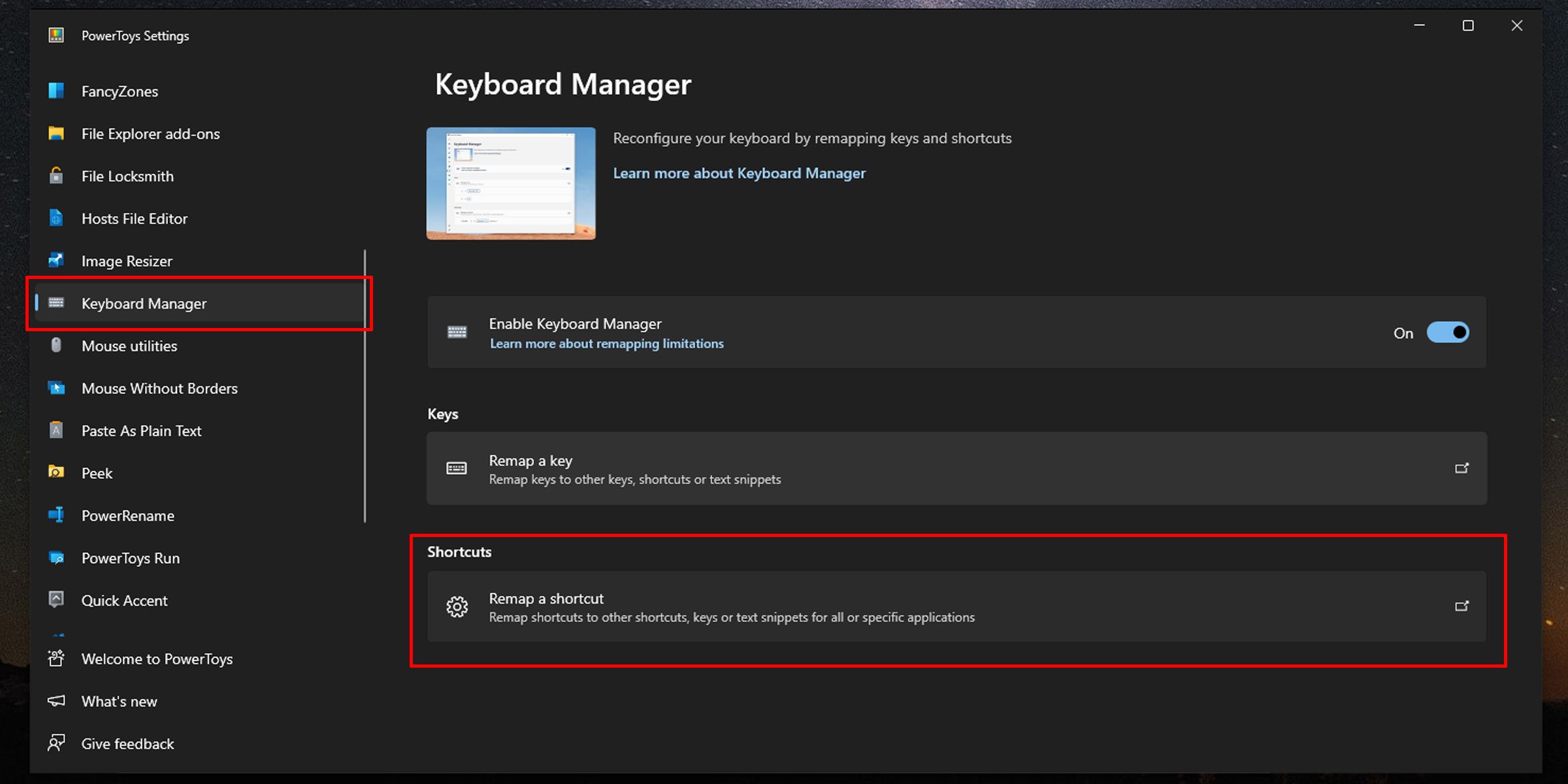
- Once installed, open PowerToys.
- In the left pane, scroll down to Keyboard Manager.
- Make sure the checkbox labeled Enable Keyboard Manager is enabled.
- Click on Remap a shortcut.
- Then click on the Add shortcut mapping button.
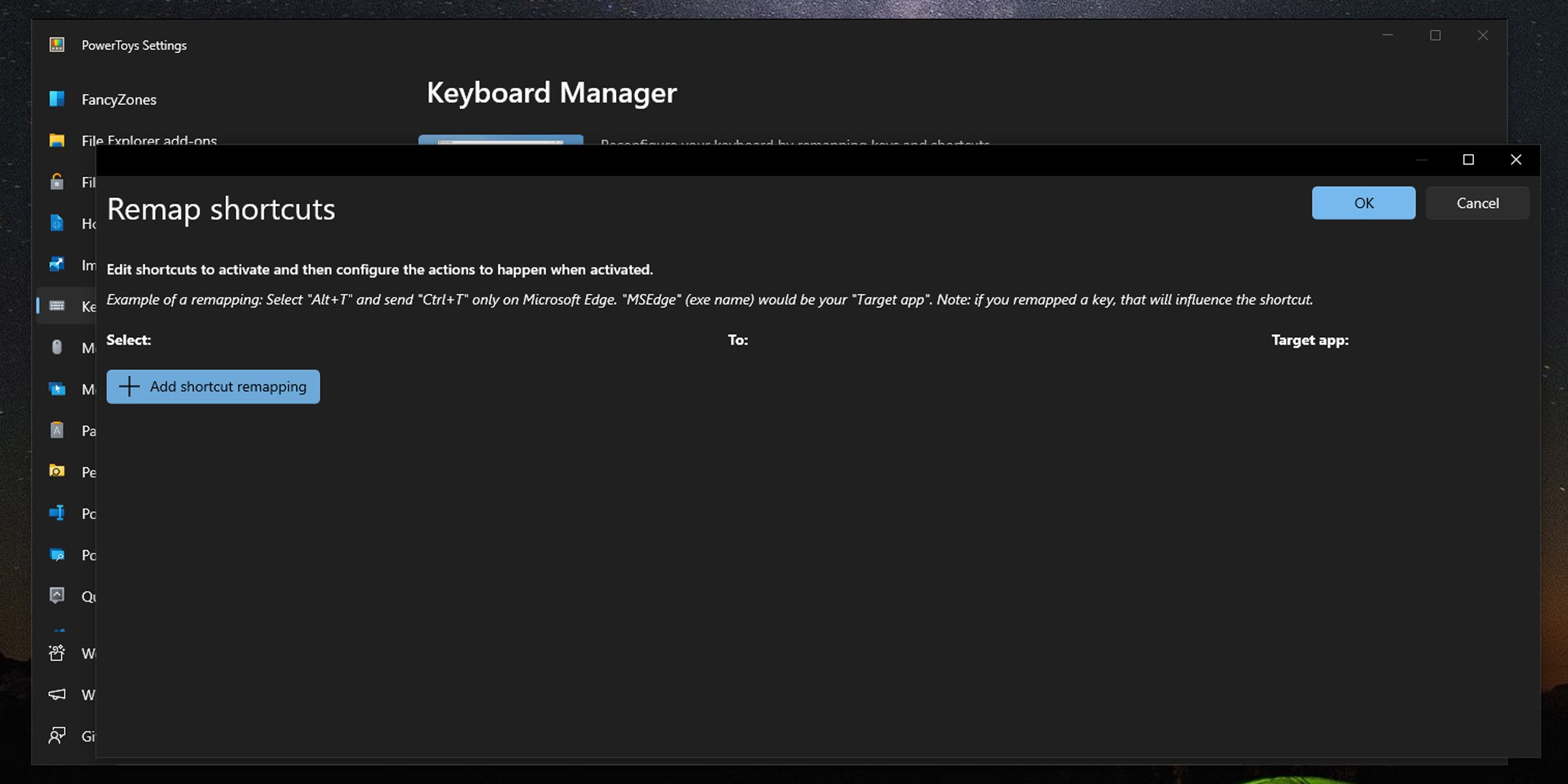
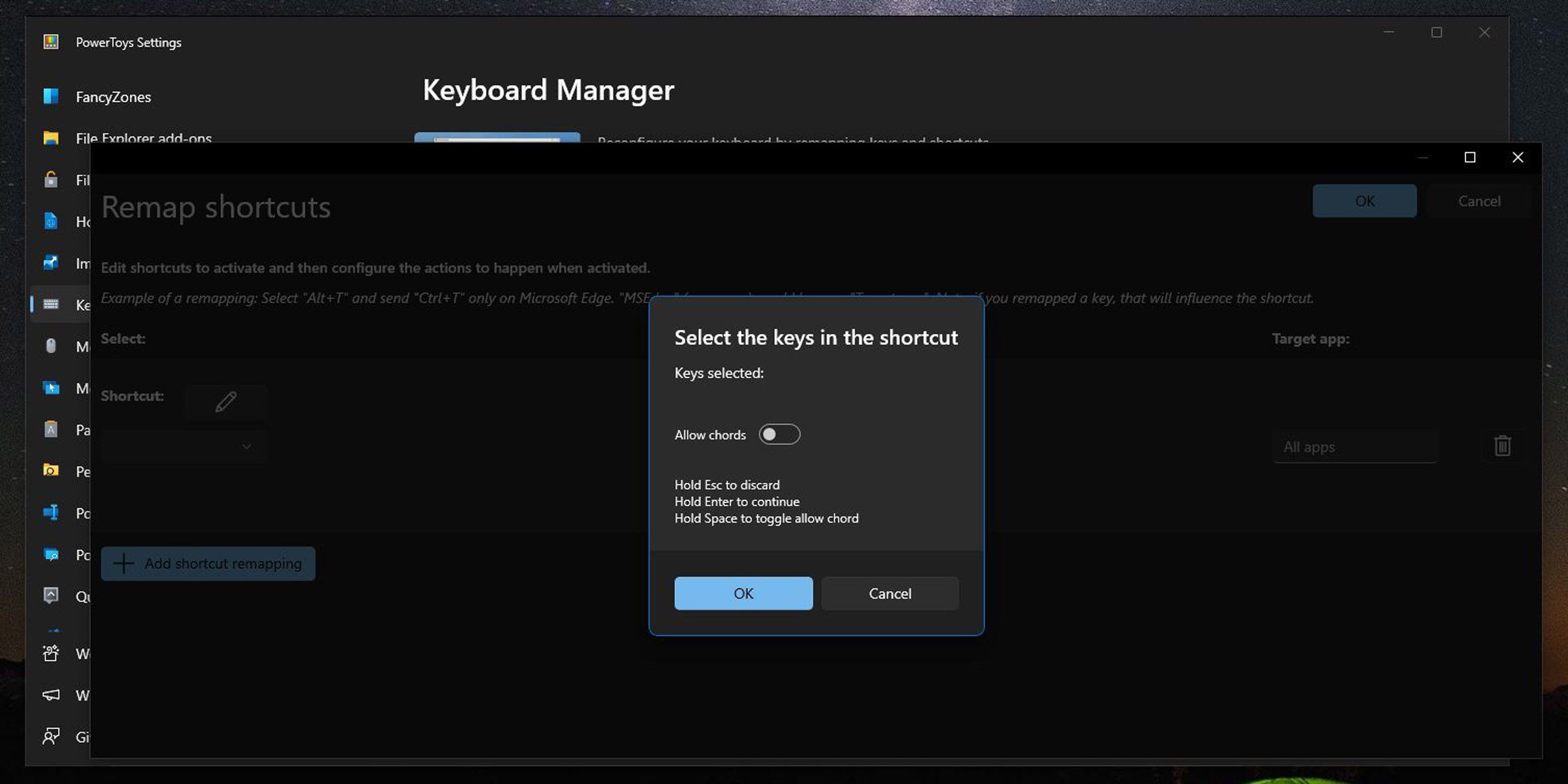
- Under Shortcut, click on the button with the pen icon. Then press the shortcut key combo you want to set.
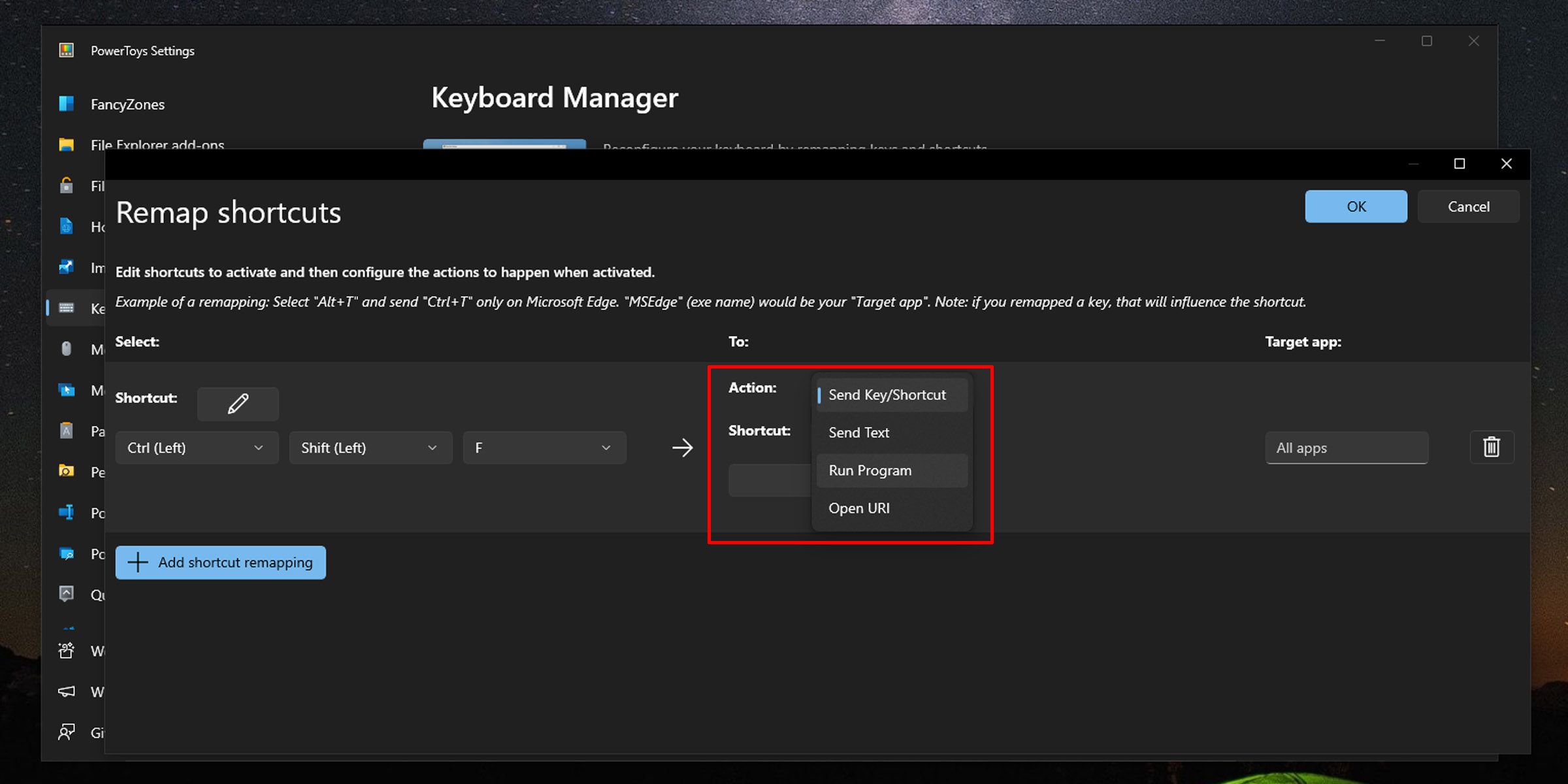
- Under Action, click on the drop-down and select Run Program.
3. Under App, either enter the path of the program you want to add to this shortcut, or click the Select program button to browse and select an application.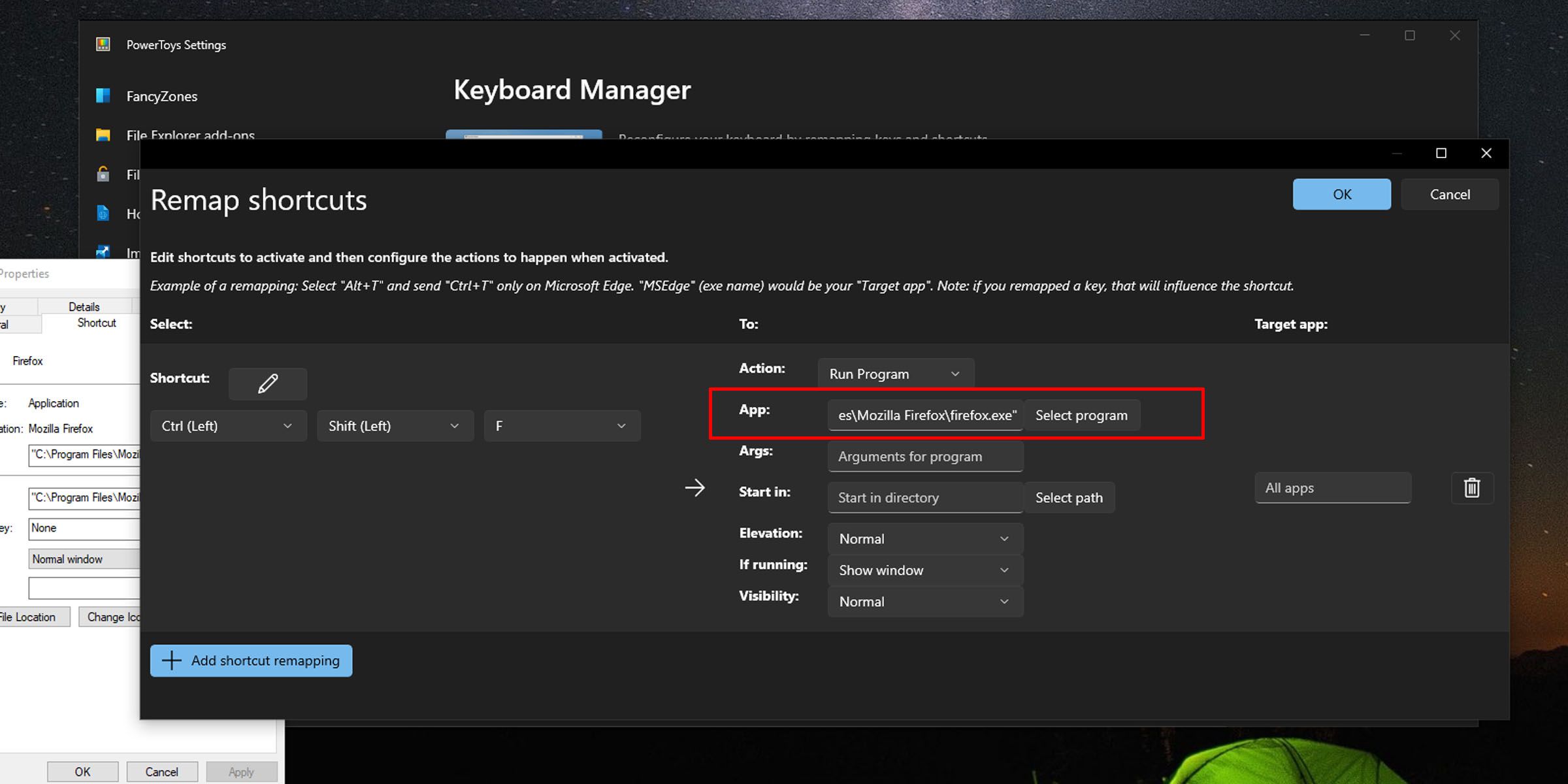
4. If you leave the Start in field blank, the shortcut will work throughout the Windows environment. If you select a path here, the shortcut will only work when you are in that environment or program.
5. The If running field tells Windows how to handle the command if the program is already open and running. You can set this to one of several options: show the open window; open another instance of the program (if possible); close the program; do nothing; or end the entire program task.
To remove a shortcut set up using PowerToys, simply open the utility, navigate to Keyboard Manager, select Remap a shortcut, and click on the delete button to the right of the specific shortcut you wish to remove.
With Windows keyboard shortcuts set up, your work should be a lot more productive. Microsoft PowerToys can help you achieve this easily, but there’s so much more you can do with this utility for power users , all in one place.
Did you know that you can set a keyboard shortcut for just about any program in Windows? When you want to open a specific program in a hurry, all you need to do is quickly press a few keys and you’re in. Here’s how.
Also read:
- [New] In 2024, Aspect Ratios Decoded YouTube Edition – A Quick Reference Guide
- [New] IOS Meets Classic Play Best PS2 Game Emulators Reviewed for 2024
- [Updated] Prime Video Camera Selections for Superior Recording for 2024
- Decoding Min/Max Processor Specifications in Control Panel
- Effortless Way to Suppress Windows Mobility Hub
- Enhance Your Entryway with Arlo: A Complete Walkthrough for the All-in-One Video Doorbell System With Alarm Capability
- Google Maps Mastery: Pinpointing Plug-In Points for EV Owners
- Guía Paso a Paso: Rescatando Y Restaurando Datos en Particiones No Almacenadas Con Facilidad
- In 2024, Change Location on Yik Yak For your Nokia XR21 to Enjoy More Fun | Dr.fone
- Overcoming 0X8004DEF5: OneDrive Errors in Windows 11 - A Guide
- Step Up Windows: Explore Top Picks From Microsoft's Store
- Strategies to Repair ISDone.dll in Windows 10/11
- Streamline Taskbar & Menu on Windows 10/11
- Title: Designing Keybindings for Windows Applications
- Author: David
- Created at : 2024-11-24 16:27:36
- Updated at : 2024-11-28 04:04:31
- Link: https://win11.techidaily.com/designing-keybindings-for-windows-applications/
- License: This work is licensed under CC BY-NC-SA 4.0.